
The Author's Edge: Issue 9
The Second Edition Strategy That Gets You a Fresh Launch (Without Writing a New Book)
Your book is not a finished product. It is a living asset. Industries change, data gets updated, case studies accumulate, and your own thinking evolves. A second edition lets you capture all of that value without starting from scratch.
Most authors never consider updating their book because they think of it as "done." But a second edition is one of the most underused marketing strategies in publishing. It refreshes your Amazon listing with a new publication date. It gives you a legitimate reason to re-promote the book to your entire audience. It qualifies for new reviews from readers who bought the first edition. And it signals to your market that you are still active, still relevant, and still the authority on your topic.
The strategy works best when you treat it as a relaunch, not just an update. New cover design, updated subtitle, fresh endorsements, and a coordinated promotional push. The effort is a fraction of writing a new book, and the payoff in renewed visibility and credibility can match or exceed your original launch.
Let's look at how two very different authors would run this exact play.
How a how-to author would run it: Stephanie Chandler
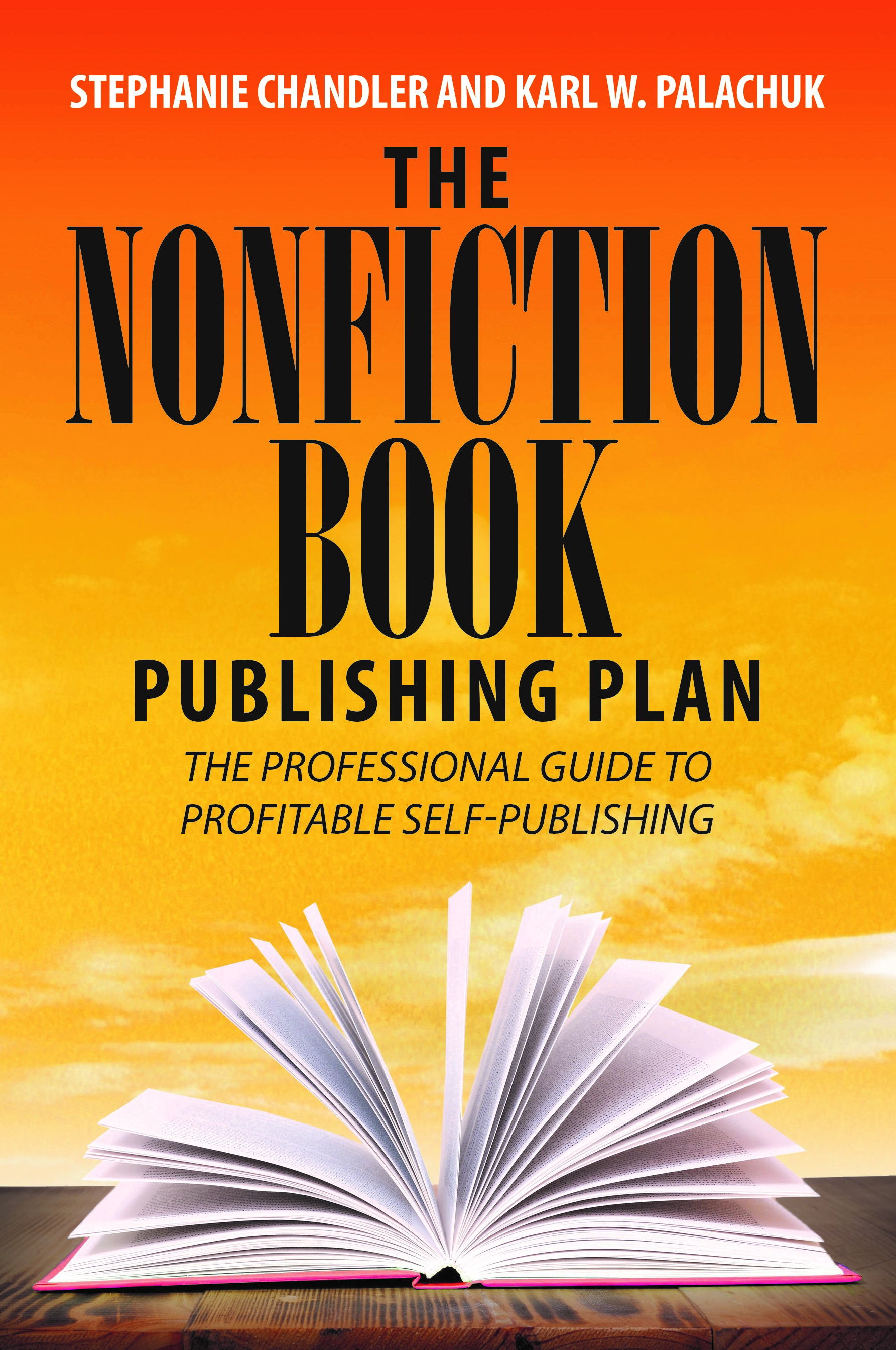
Stephanie Chandler is the author of several books, including The Nonfiction Book Publishing Plan: The Professional Guide to Profitable Self-Publishing, which she co-wrote with Karl W. Palachuk. She is also the founder and CEO of the Nonfiction Authors Association and the Nonfiction Writers Conference, an annual event that has run entirely online since 2010.
Stephanie does not just teach the second edition strategy. She has lived it. Her books on nonfiction publishing and marketing have gone through multiple updates as the publishing landscape shifted beneath her feet. When Amazon changed its algorithm, she updated her marketing book. When self-publishing tools evolved, she revised her publishing plan. Each update gave her a reason to re-engage her audience, collect new reviews, and appear on podcasts as a returning guest with fresh material.
The mechanics are straightforward, and Stephanie has documented them for her community. Identify sections that reference outdated tools, statistics, or industry norms. Add new case studies from the years since publication. Write a new foreword or introduction that frames the update. If the changes are substantial enough, update the cover design and subtitle to signal "new edition" to browsers. Then execute a launch sequence just like you did the first time: email list, social media, podcast appearances, and a coordinated push for reviews.
Stephanie's credibility in this space is unmatched because she practices what she teaches. Every edition of her books reinforces her positioning as the go-to resource for nonfiction authors, and each relaunch introduces her to readers who missed the first version.
Website: https://stephaniechandler.com
Nonfiction Authors Association: https://nonfictionauthorsassociation.com
How co-authors would run it: Kathy McAfee and Rosemary Paetow
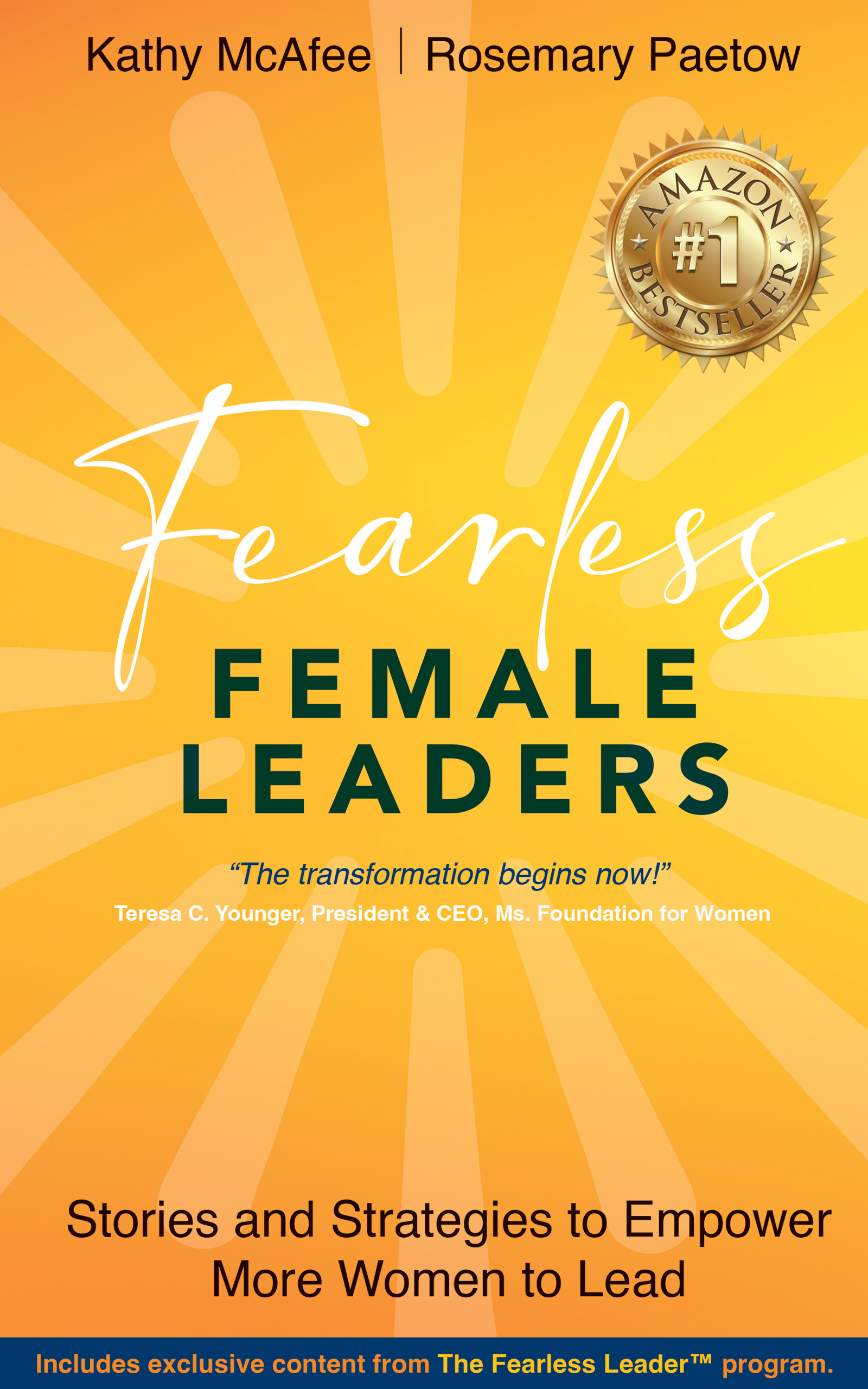
Kathy McAfee and Rosemary Paetow co-authored Fearless Female Leaders: Stories and Strategies to Empower More Women to Lead, the first release in the Fearless Leader Books series. Kathy, known as "America's Marketing Motivator," is a Stanford graduate and founder of The Fearless Leader program. Rosemary is CEO of Think inStrategy and works with executives to become bolder leaders. Their book hit the Amazon bestseller list in three categories shortly after launch.
For Kathy and Rosemary, the second edition is not just about correcting or updating. It is about expanding a movement. The book profiles remarkable women who overcame barriers to leadership, and the movement keeps growing. Every year brings new stories, new research on gender equity in leadership, and new case studies of women who have broken through.
A second edition of Fearless Female Leaders could add profiles of women leaders who emerged since the first publication. It could incorporate updated statistics on female representation in corporate leadership, government, and entrepreneurship. It could include reader responses and success stories from women who used the book's eight attributes of fearless leadership to advance their careers.
The contrast with Stephanie is clear: Stephanie updates a how-to guide because the tools and tactics change. Kathy and Rosemary expand a movement-driven book because the movement itself grows. Both approaches create a legitimate reason to relaunch, but the triggers are different. A solo expert updates when the industry shifts. Co-authors building a movement update when the community expands.
Website: https://www.thefearlessleader.com
Your 15-Minute Action Step
Set a timer. This should take you no more than 15 minutes.
1. Open your book and read it with one question in mind: what has changed since I published this? Look for outdated statistics, defunct tools, old case studies, or sections where your own thinking has evolved.
2. Make a list of five to ten specific updates you would make. Be concrete: "Update Chapter 3 statistics from 2021 to 2025" or "Add new case study from Client X."
3. Decide whether your updates warrant a second edition or a revised edition. A second edition implies significant new content (20 percent or more new material). A revised edition signals smaller updates and corrections.
4. Write a one-page "Second Edition Plan" with three sections: content updates, design updates (new cover, updated subtitle), and relaunch plan (email sequence, podcast pitches, review requests).
5. Set a target publication date six months from today and block two hours per week for revision work.
Swipe File
Second Edition Relaunch Checklist:
Content: Update statistics, add new case studies, revise outdated tools or methods, write a new foreword
Design: Refresh cover design, update subtitle if applicable, add "Second Edition" to cover and title page
Reviews: Email past readers and ask them to update or add Amazon reviews. Reach out to new reviewers.
Marketing: Send "book relaunch" email to your list, pitch podcast appearances with "what changed" angle, post comparison content ("first edition vs. second edition") on social media
Distribution: Update your Amazon listing, order new print copies, update your website and speaker materials
"What Changed" Email to Your List:
Subject: [Book Title] just got a major update
Hi [First Name],
When I published [Book Title] in [year], [brief context about the original edition]. Since then, [one to two sentences about what changed in your industry or thinking].
The second edition is live now, and it includes [list two to three major additions]. If you read the first edition, you will find [specific new value]. If you have not read it yet, this is the best version to start with.
I would love your help: if you enjoyed the first edition, would you consider leaving an updated review on Amazon? It makes a bigger difference than you might think.
Here is the link: [Amazon link]
Thank you for being part of this journey.
[Your Name]
This is Issue #9 of The Author's Edge, our biweekly newsletter for authors who want their book to do real work instead of gathering dust. Every issue gives you one tactic and a 15-minute action step. Want each new issue, plus a community of published authors to trade launch support and cross-promotion with? Join the free Jetlaunch Author Network at jetlaunch.net/network.