The Author's Edge: Issue 8
One Chapter Can Build Your Entire Email List. Here Is How.
Your book has at least one chapter that solves a specific, urgent problem for your reader. That chapter contains a framework, a checklist, a set of steps, or a diagnostic tool that people would pay for on its own. You are going to pull that content out, repackage it as a downloadable PDF, and use it to build your email list.
This is called a lead magnet, and it is the single most effective bridge between "someone who saw your book on Amazon" and "someone on your email list who buys everything you offer." The concept is simple: give away your best stuff in exchange for an email address. The execution matters, and most authors overcomplicate it.
You do not need a designer. You do not need a 40-page ebook. You need one chapter's worth of actionable content reformatted into a clean, two-to-five-page PDF with a clear title that promises a specific outcome. "The 5 Engagement Metrics Your HR Team Is Ignoring" works. "Free Chapter from My Book" does not. The title of your lead magnet matters almost as much as the content inside it, because the title is what convinces someone to hand over their email address. Make it specific, make it useful, and make it clear who it is for.
Let's look at how two very different authors would run this exact play.
How a B2B author would run it: Dawn Ellery
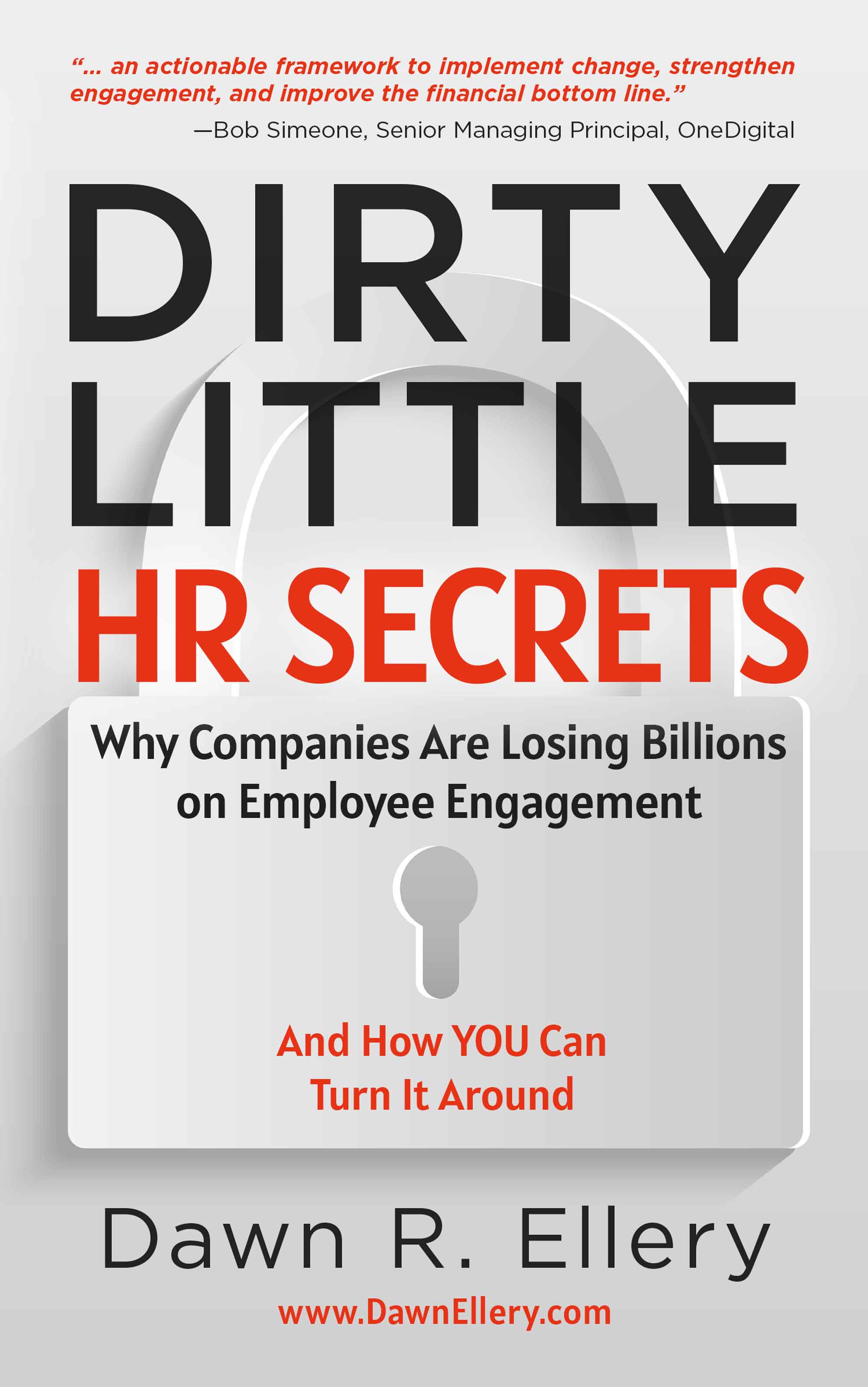
Dawn Ellery spent 25 years leading Total Rewards teams across multiple industries before writing Dirty Little HR Secrets: Why Employers Are Losing Billions on Engagement and How You Can Turn It Around. The book is a direct challenge to conventional HR wisdom, backed by data that most executives have never seen.
One of her chapters breaks down the specific engagement metrics that employers consistently ignore, even as they spend millions on annual surveys that tell them almost nothing useful. Only 20 percent of employees globally are engaged. Only 30 percent in the United States. Dawn does not just cite those numbers. She explains why, and more importantly, she explains which metrics actually predict whether your workforce is productive or quietly quitting.
That chapter is a lead magnet waiting to be built. Dawn can pull "5 Engagement Metrics You Are Ignoring (and What to Track Instead)" directly from the chapter, reformat it as a branded PDF, and offer it on her website and LinkedIn profile. Her target audience is HR directors, CHROs, and consultants, people who live on LinkedIn and will absolutely download a free diagnostic tool that makes them look smart in their next leadership meeting.
The beauty of this approach for a B2B author like Dawn: every download is a potential consulting client or speaking engagement lead. The lead magnet does not just build a list. It pre-qualifies prospects who already have the exact problem Dawn solves. Someone who downloads "5 Engagement Metrics You Are Ignoring" is self-identifying as a person who cares about employee engagement and has the authority to act on it. That is the most valuable email subscriber you can get.
How a B2C author would run it: Dan Langworthy
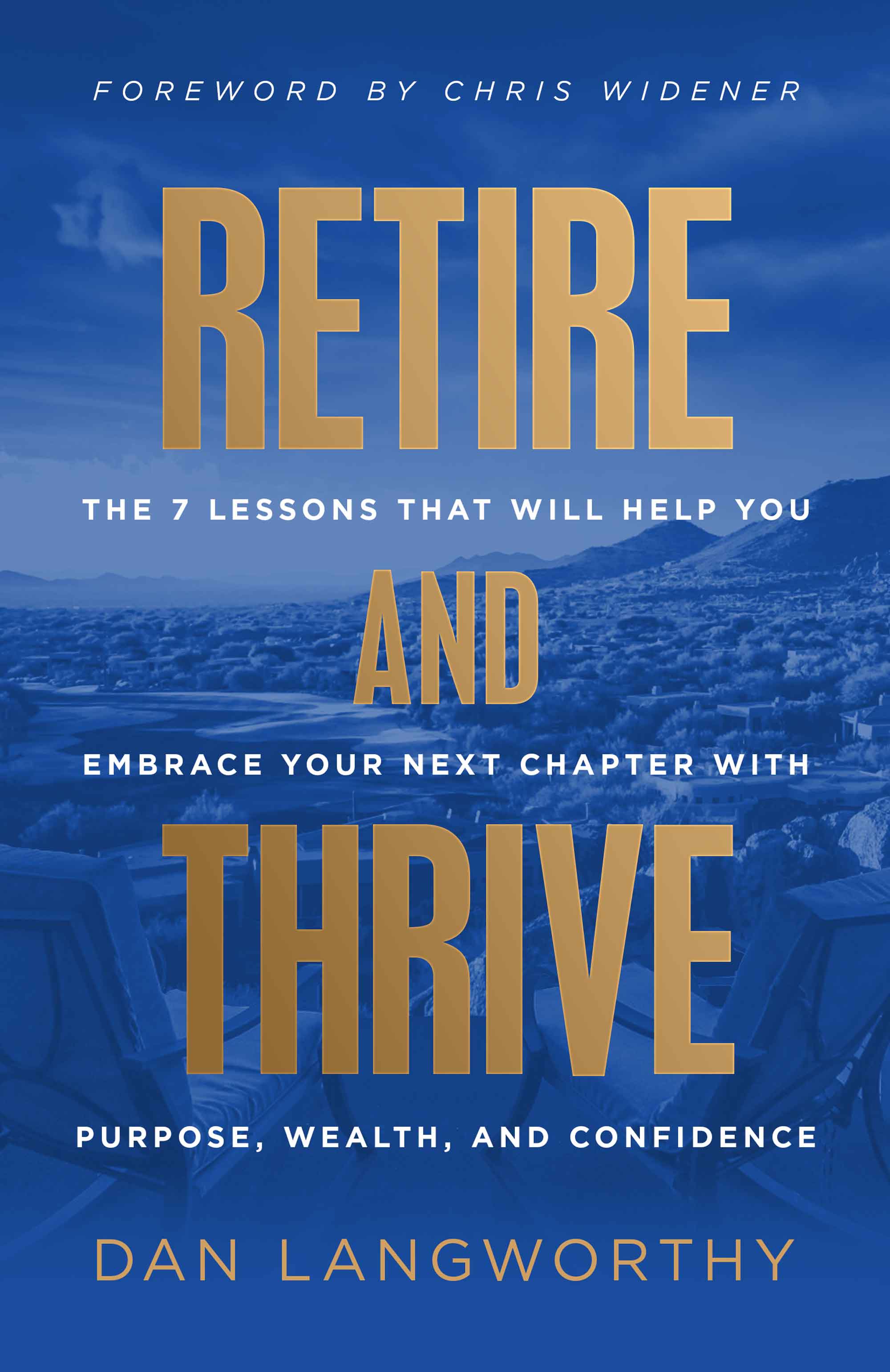
Dan Langworthy is a financial advisor with the CIMA and CPWA designations and decades of experience helping clients navigate the transition into retirement. His book, Retire and Thrive: The 7 Lessons That Will Help You Embrace Your Next Chapter with Purpose, Wealth, and Confidence, uses a fable format to deliver real financial planning wisdom drawn from years of client conversations.
Dan's table of contents reads like a checklist of everything pre-retirees worry about: Social Security timing, portfolio allocation, cash flow management, withdrawal strategies, and the often-overlooked question of purpose. His website, retireandthrive.net, already features a Retirement Readiness Score tool that captures leads. But a chapter-based lead magnet can reach an entirely different audience.
From his chapter on pre-retirement planning, Dan can extract a simple, powerful deliverable: "The Pre-Retirement Checklist: 10 Questions to Answer Before You Leave Your Job." It is the kind of PDF that gets shared between spouses at the kitchen table, forwarded to friends who are also approaching retirement, and saved in a folder labeled "Important." Every download is a person who is actively planning for retirement and may need a financial advisor.
The contrast with Dawn is intentional. Dawn's lead magnet targets corporate buyers, the B2B audience that evaluates vendors and hires consultants. Dan's targets individuals and couples, the B2C audience that makes personal financial decisions. Same strategy, completely different audience, completely different distribution channels. Dawn promotes on LinkedIn and at HR conferences. Dan promotes through retirement communities, financial planning blogs, and Facebook groups where pre-retirees gather. The chapter you choose and the audience you serve will determine where and how you distribute your lead magnet, but the underlying mechanics are identical: pull your best actionable content, give it a compelling title, and trade it for an email address.
Website: https://retireandthrive.net
Your 15-Minute Action Step
Set a timer. This should take you no more than 15 minutes.
Scan your table of contents and pick the one chapter that contains your most specific, actionable content. Look for chapters with numbered lists, step-by-step frameworks, or diagnostic questions.
Write a lead magnet title that promises a clear outcome. Use one of these formulas: "The [Number] [Things] Every [Audience] Needs to [Outcome]" or "[Audience]'s Checklist for [Specific Goal]."
Pull the core content from that chapter into a new document. Edit it down to two to five pages. Cut the stories and keep the frameworks.
Format it as a clean PDF with your name, book title, and website at the top. Use Canva's free PDF templates if you need a quick design.
Set up a simple landing page using ConvertKit, Mailchimp, or your website's built-in email tool. Offer the PDF in exchange for a name and email address.
Swipe File
Lead Magnet Title Formulas:
"The [Number] [Framework] Every [Audience] Should Know"
"[Audience]'s Quick-Start Guide to [Outcome]"
"The [Outcome] Checklist: [Number] Steps to [Result] Before [Deadline/Event]"
"What Your [Competitor/Industry] Is Not Telling You About [Topic]"
"[Number] [Mistakes/Myths] That Are Costing [Audience] [Consequence]"
Landing Page Copy Template:
Headline: [Lead Magnet Title]
Subheadline: "Get the free [checklist/guide/framework] that [specific outcome]."
Body: One to two sentences explaining what they will learn and why it matters. Example: "This five-page guide pulls the most actionable insights from [Book Title] and gives you a step-by-step plan you can start using today."
Call to action button: "Send Me the Free [Checklist/Guide]"
Below the fold: Your name, one-sentence bio, book cover image, and a single testimonial if you have one.
Pro tip: Add a "Share this with a colleague" line at the bottom of your lead magnet PDF. B2B lead magnets spread fastest through internal forwarding. B2C lead magnets spread through personal recommendations and social shares.
This is Issue #8 of The Author's Edge, our weekly newsletter for authors who want their book to do real work instead of gathering dust. Every issue gives you one tactic and a 15-minute action step. Want each new issue, plus a community of published authors to trade launch support and cross-promotion with? Join the free Jetlaunch Author Network at jetlaunch.net/network.