The Author's Edge: Issue 7
Your Book Is Already a Workshop Outline. Here Is How to Sell It.
You already did the hard part. You organized your expertise into chapters, built logical sequences, and created a structure that moves readers from problem to solution. That structure is a workshop or keynote waiting to happen.
Most authors think of speaking as a separate skill that requires separate preparation. It does not. Your book's chapters are your modules. Your key frameworks are your slides. Your stories and case studies are your audience engagement moments. The book is the script you already wrote.
The difference between authors who speak and authors who do not comes down to one decision: packaging. A keynote is three to five of your best chapters compressed into 45 minutes with a clear transformation arc. A half-day workshop is your entire book delivered as an interactive experience with exercises, breakout discussions, and real-time application. The content exists. You just need to reformat it, build a simple speaker sheet, and start putting yourself in front of the people who book rooms.
Here is the part that should give you confidence: audiences trust a speaker with a book more than a speaker without one. The book is proof that you organized your thinking, committed it to the page, and survived the scrutiny of readers. It is the ultimate credibility shortcut, and it means you are already further along than 90 percent of people who call themselves speakers.
Let's look at how two very different authors would run this exact play.
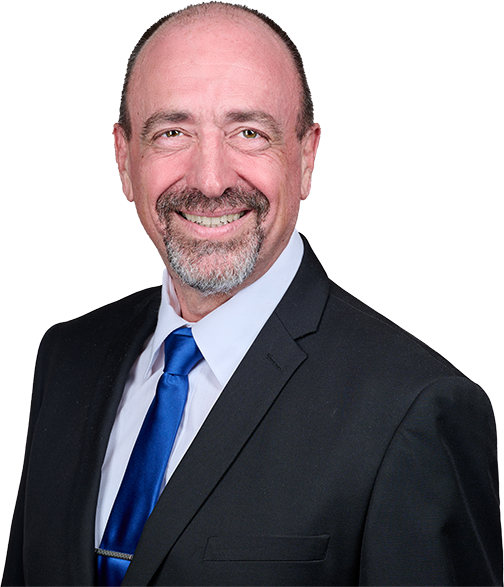
How a keynote speaker would run it: Farshad Asl

Farshad Asl is the embodiment of the American Dream turned into a speaking career. After emigrating from Iran to the United States with $400 in his pocket and barely enough English to order a meal, he built one of the largest sales organizations in the country as Regional Director of Bankers Life. He is a Forbes Coaches Council member, a certified John Maxwell Leadership Coach, and an internationally acclaimed keynote speaker.
His book, The "No Excuses" Mindset: A Life of Purpose, Passion, and Clarity, became a number one Amazon bestseller, outselling authors like Gary Vaynerchuk and Daymond John. But Farshad did not write the book and then figure out speaking. He already had the keynote. The book gave it structure.
Before the book, Farshad was delivering powerful talks in corporate boardrooms, places of worship, and even federal prisons. The content was strong, but it lived only in his head and his slides. Once the book existed, every chapter became a titled module with a clear framework. His keynote on purpose and clarity could now reference "Chapter 3" and point audiences to the full methodology. His workshop on building no-excuses teams could hand participants a workbook that mapped directly to the book's structure.
The book did not make Farshad a speaker. It made him a speaker with a system, and that system is what corporate clients pay a premium for. He has since shared stages with John Maxwell, Les Brown, and Nick Vujicic, and every engagement sells books from the back of the room.
Website: https://farshadasl.net
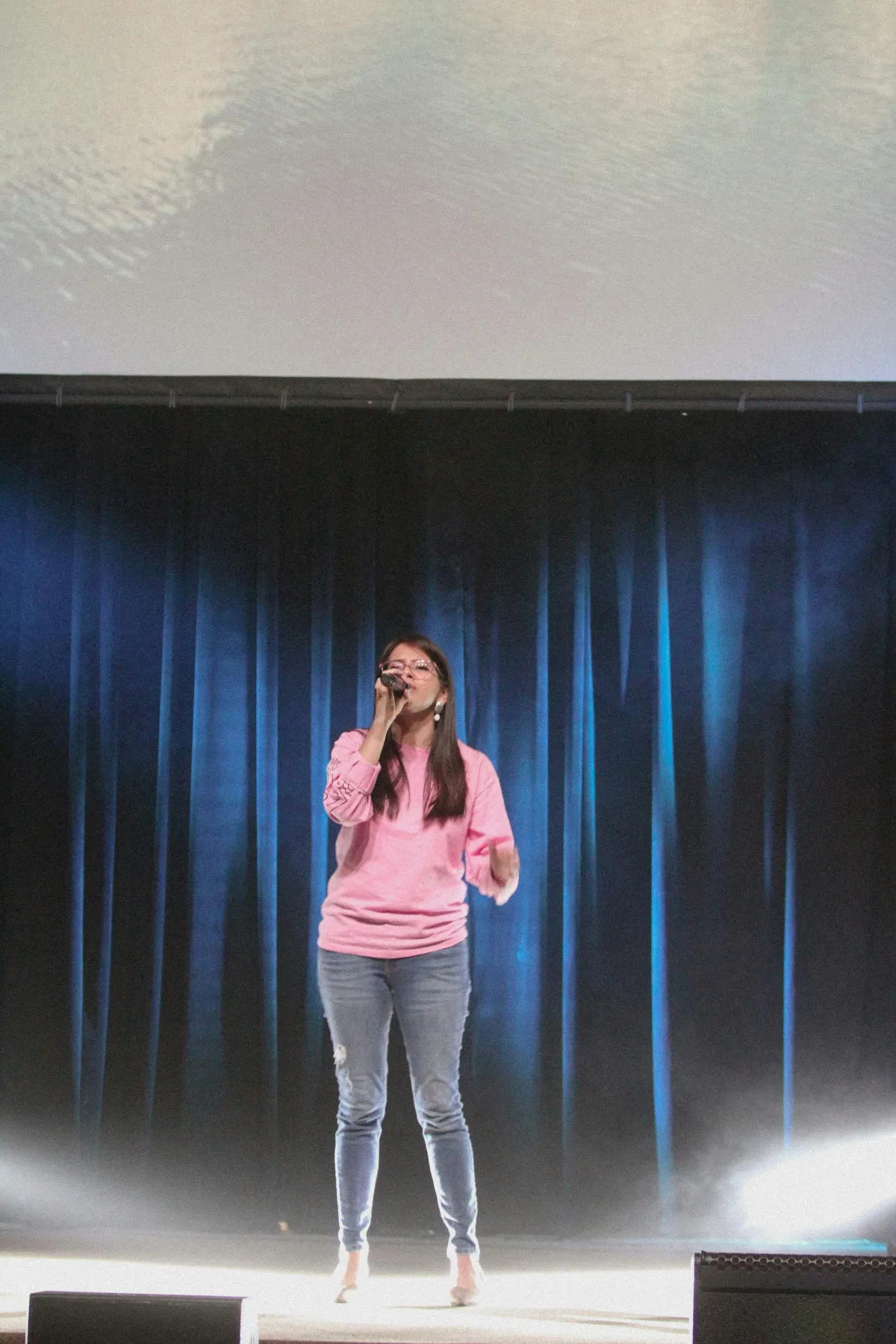
How a first-time author would run it: Michelle Preston

Michelle Preston sits on the opposite end of the speaking spectrum, and that is exactly why her story matters. Michelle is not a professional speaker. She is a first-time author who co-wrote Friendship Love Autism with her partner Andrew Preston, sharing how she discovered Andrew was autistic and the journey that followed. Their second book, Before Love and Autism: The Early Years, is a prequel exploring their childhoods and teen years before they found each other.
Michelle did not set out to build a speaking career. But parent groups, school districts, and autism advocacy organizations started reaching out after the book launched. They did not want a polished keynote. They wanted Michelle and Andrew's real story, told in a room where parents could ask questions.
The book gave Michelle a framework she did not realize she had. Chapters on communication challenges became a module on recognizing neurodivergent communication patterns. Chapters on the diagnosis process became a module on navigating the healthcare system. The stories she wrote for the page translated directly to a 90-minute workshop for parents who were living the same confusion she once felt.
The contrast with Farshad is deliberate. You do not need to be a polished platform speaker to turn your book into a workshop. Farshad had the stage presence first and added book-based structure. Michelle had the story first and discovered that people would pay to hear it in a room. Both paths work. The book is the bridge. Whether you are a Forbes Coaches Council member or a first-time author writing from your kitchen table, the chapters you already wrote are the foundation of a talk someone needs to hear.
Website: https://www.bellamimalifestyles.com
Your 15-Minute Action Step
Set a timer. This should take you no more than 15 minutes.
1. Open your book and identify three to five chapters that contain your most actionable frameworks, exercises, or transformation stories.
2. For each chapter, write a one-sentence "module title" that describes the outcome the audience will walk away with. Example: "Chapter 4: Why Engagement Surveys Lie" becomes "Module 2: The Three Metrics That Actually Predict Retention."
3. Arrange your modules into a logical flow: opening hook, core content (two to three modules), and closing call to action. This is your keynote outline.
4. Write a one-page speaker sheet with your talk title, three bullet-point outcomes, a short bio, and a headshot. Save it as a PDF.
5. Send that speaker sheet to three organizations whose audiences match your book's reader. Local industry groups, conferences, and nonprofit boards are the easiest first bookings.
Swipe File
Keynote Outline Template:
Title: [Compelling Talk Title Based on Your Book's Core Promise]
Opening (5 min): Personal story or surprising statistic that hooks the audience
Module 1 (10 min): [Chapter-based framework] with one audience interaction moment
Module 2 (15 min): [Your signature methodology] with real-world examples
Module 3 (10 min): [Action framework] the audience can use immediately
Close (5 min): Call to action and book offer
Speaker One-Sheet Template:
Top section: Talk title, your name, one-line positioning statement
Middle section: Three bullet outcomes ("Your audience will walk away with...")
Bottom section: Two-sentence bio, headshot, contact info, website
Footer: "Bulk book orders available for attendees" plus a testimonial if you have one
Pro tip: Start by offering to speak for free at local organizations to build testimonials and refine your talk. Three strong testimonials and a polished speaker sheet will open doors to paid engagements. Record every talk, even with a phone propped on a table. Those clips become your demo reel, and a 60-second highlight video on your "Book Me" page is worth more than a paragraph of text.
This is Issue #7 of The Author's Edge, our weekly newsletter for authors who want their book to do real work instead of gathering dust. Every issue gives you one tactic and a 15-minute action step. Want each new issue, plus a community of published authors to trade launch support and cross-promotion with? Join the free Jetlaunch Author Network at jetlaunch.net/network.