
The Author's Edge: Issue 3
Your Table of Contents Is an Email Sequence. Here Is How to Build It.
Open your book to the table of contents. Read each chapter title out loud. Now ask yourself: would someone search for that topic? Would they click on an email with that subject line? Would they open a newsletter with that headline?
If you wrote a good book, the answer is yes to most of them.
Your chapter titles are not just an organizational tool. They are a ready-made email sequence. Each one represents a specific problem you solve, a question you answer, or a concept you teach. Strung together into a series of emails, they become a nurture sequence that warms up cold leads, stays top of mind with your existing audience, and drives steady book sales without a single hard pitch.
Here is how it works. Take your 8 to 12 chapter titles. Turn each one into a short, value-packed email that gives readers a taste of what that chapter covers. Not a summary. Not a teaser. A useful standalone insight that makes the reader think, "If this is what the free email gives away, the book must be incredible."
Most authors have zero email marketing strategy beyond "announce the book, then go quiet." This approach changes that. One book. One table of contents. An entire email sequence that runs on autopilot and keeps selling your book for months after launch.
Let's look at how two very different authors would run this exact play.
How a business author would run it: Mary Sue Dahill
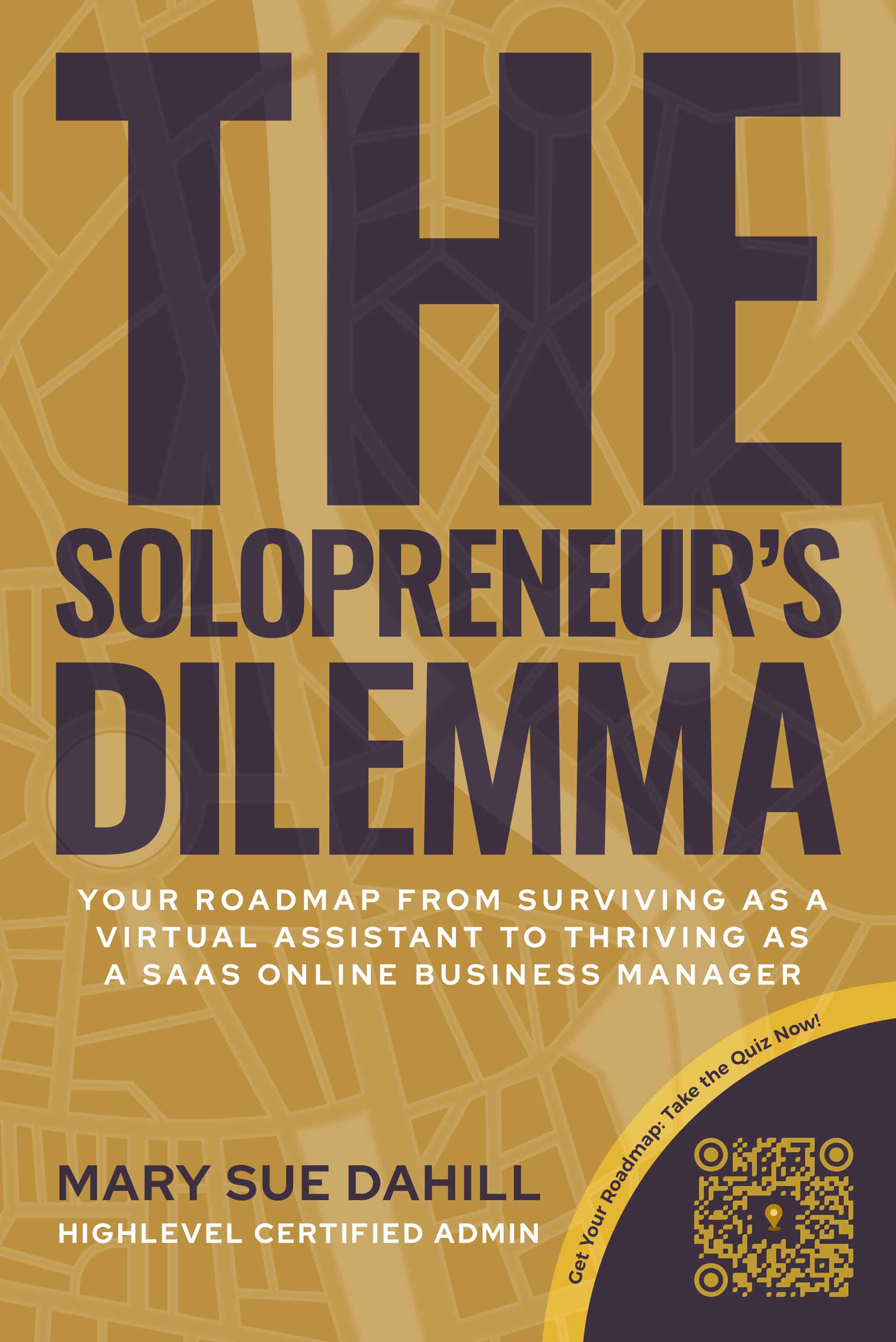
Mary Sue Dahill is a HighLevel Certified Admin and SaaS Online Business Manager who helps solopreneurs escape the feast-or-famine cycle of client work. Her book, The Solopreneur's Dilemma, walks readers through the transition from trading hours for dollars as a virtual assistant to building recurring revenue by bundling white-label software with their services. It is a practical roadmap for tech consultants, digital marketers, and online business managers who are ready to stop hustling and start building something sustainable.
Every chapter in Mary Sue's book maps to a problem her ideal client is already searching for. Chapter topics like building recurring revenue, bundling software with services, and escaping the client hustle are not just book sections. They are search terms. They are the exact phrases her audience types into Google when they are frustrated with their business model.
Her email sequence practically writes itself.
Email one: "Why Your Best Clients Are Still Leaving (And What to Do About It)," drawn from her chapter on client retention.
Email two: "The Hidden Revenue Stream Most Virtual Assistants Are Ignoring," drawn from her chapter on white-label SaaS.
Email three: "How I Went from Tech Consultant to Profitable Agency Owner," drawn from her personal journey chapter.
Each email delivers one concrete insight, establishes her authority, and ends with a simple line: "This is from Chapter [X] of The Solopreneur's Dilemma. If it hit a nerve, the book goes deeper."
For a SaaS consultant, this sequence sells books and services. Every email that lands in a subscriber's inbox is a live demonstration of exactly the kind of strategic thinking Mary Sue teaches her clients to adopt.
How a leadership author would run it: Dr. Garland and Dorothy Vance
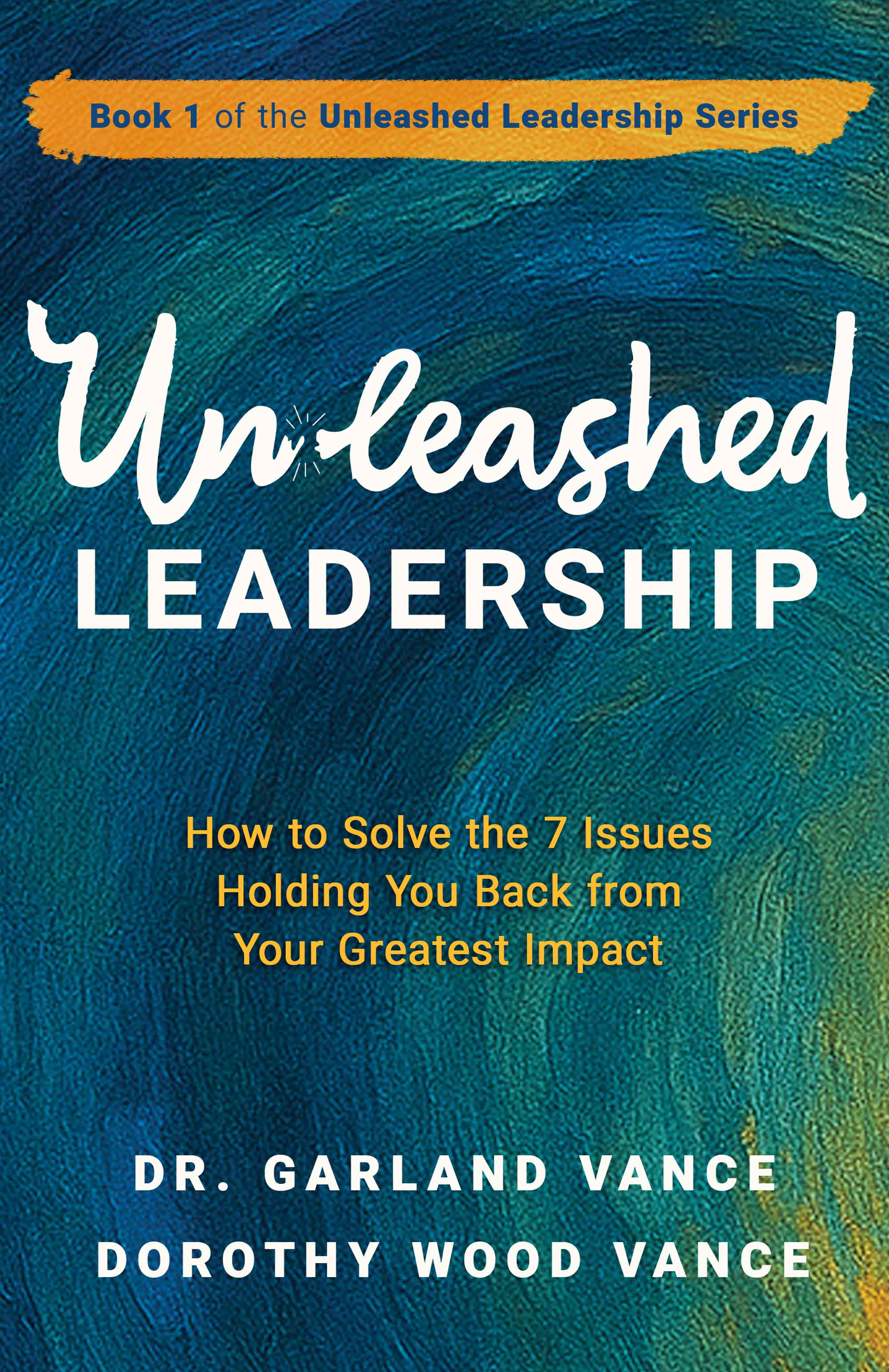
Dr. Garland Vance and Dorothy Wood Vance are leadership consultants and co-founders of a leadership development firm they built by helping executives and teams get unstuck. Their book, Unleashed Leadership: How to Solve the 7 Issues Holding You Back from Your Greatest Impact, makes a bold claim: no matter your title, position, or experience, only seven issues hold leaders back. Character, competence, capacity, clarity, community, culture, and consistency. Name the one that has you leashed, the Vances argue, and you can finally get unleashed.
Each of those seven issues is a chapter, and each chapter maps to a problem the Vances' audience of executives, managers, and team leaders is already wrestling with. Topics like building character before competence, expanding your capacity without burning out, creating clarity your team can act on, and building a culture that holds under pressure are not just book sections. They are the exact frustrations leaders type into a search bar at 11:00 p.m. when a team is stalling, and they cannot name why.
Their email sequence now becomes simple:
Email one: “The Real Reason 95% of Leadership Problems Happen (It Is Not What You Think),” drawn from the seven-issues framework.
Email two: “Why Character Has to Come Before Competence,” drawn from their chapter on character.
Email three: “You Do Not Have a Time Problem, You Have a Capacity Problem,” drawn from their chapter on capacity.
Email four: “The Clarity Test: Can Your Team Actually Repeat the Goal?,” drawn from their chapter on clarity.
Each email delivers one concrete idea and ends with a simple line: “This is one of the seven issues we unpack in Unleashed Leadership. If it hit a nerve, the book goes deeper.”
For a leadership consultant, this sequence does double duty: It sells books, and it fills the pipeline. Every email that lands in an executive's inbox is a live audition for the coaching, workshops, and keynotes the Vances deliver. By the time a reader has moved through all seven, they have not just met two authors. They have met the two people they want in the room the next time their leadership feels leashed.
Same strategy. Completely different world. Both effective.
Your 15-Minute Action Step
Set a timer. This should take you no more than 15 minutes.
1. List your chapter titles in a document or spreadsheet. Include subtitles or section descriptions if you have them.
2. Next to each chapter title, write one sentence describing the problem that chapter solves or the question it answers. This becomes your email subject line.
3. Pick the three strongest chapters. These are the ones that address the most common, most urgent, or most emotional problems your reader faces.
4. For each of those three, write a two-sentence email outline. Sentence one: the key insight or story from that chapter. Sentence two: the action the reader can take today.
5. Set up your sequence. If you already have an email list, use whatever platform you have (Mailchimp, ConvertKit, MailerLite). If you do not have a list yet, this is your reason to start one. A simple landing page that says "Get 3 free lessons from my book" is enough to begin collecting subscribers today.
Swipe File
Email subject line templates (one per chapter):
"The [Topic] Mistake That Costs [Audience] the Most"
"What Nobody Tells You About [Chapter Topic]"
"[Number] Minutes to Better [Outcome]: A Lesson from [Book Title]"
"The [Chapter Topic] Framework I Wish I Had Known Sooner"
Email body structure (keep each email under 400 words):
• Opening hook: one bold statement or question (2 sentences)
• Key insight: the main idea from the chapter (3 to 4 sentences)
• Story or example: one real-world application (2 to 3 sentences)
• Takeaway: one thing the reader can do right now (1 to 2 sentences)
• Soft CTA: "This is from Chapter [X] of [Book Title]. If you want the full framework, grab your copy here."
Email sequence timing:
• Send one email every 3 to 4 days
• Total sequence: 8 to 12 emails (one per chapter)
• Best days: Tuesday, Wednesday, or Thursday
• Best times: 7 AM to 9 AM in your audience's time zone
Recommended email platforms for authors:
• Mailchimp: free up to 500 contacts, easy templates
• ConvertKit: built for authors and creators, great automation
• MailerLite: generous free plan, visual automation builder
This is Issue #3 of The Author's Edge, our biweekly newsletter for authors who want their book to do real work instead of gathering dust. Every issue gives you one tactic and a 15-minute action step.
Want each new issue, plus a community of published authors to trade launch support and cross-promotion with? Join the free Jetlaunch Author Network at jetlaunch.net/network.